
*This post may contain affiliate links for which I earn commissions.*
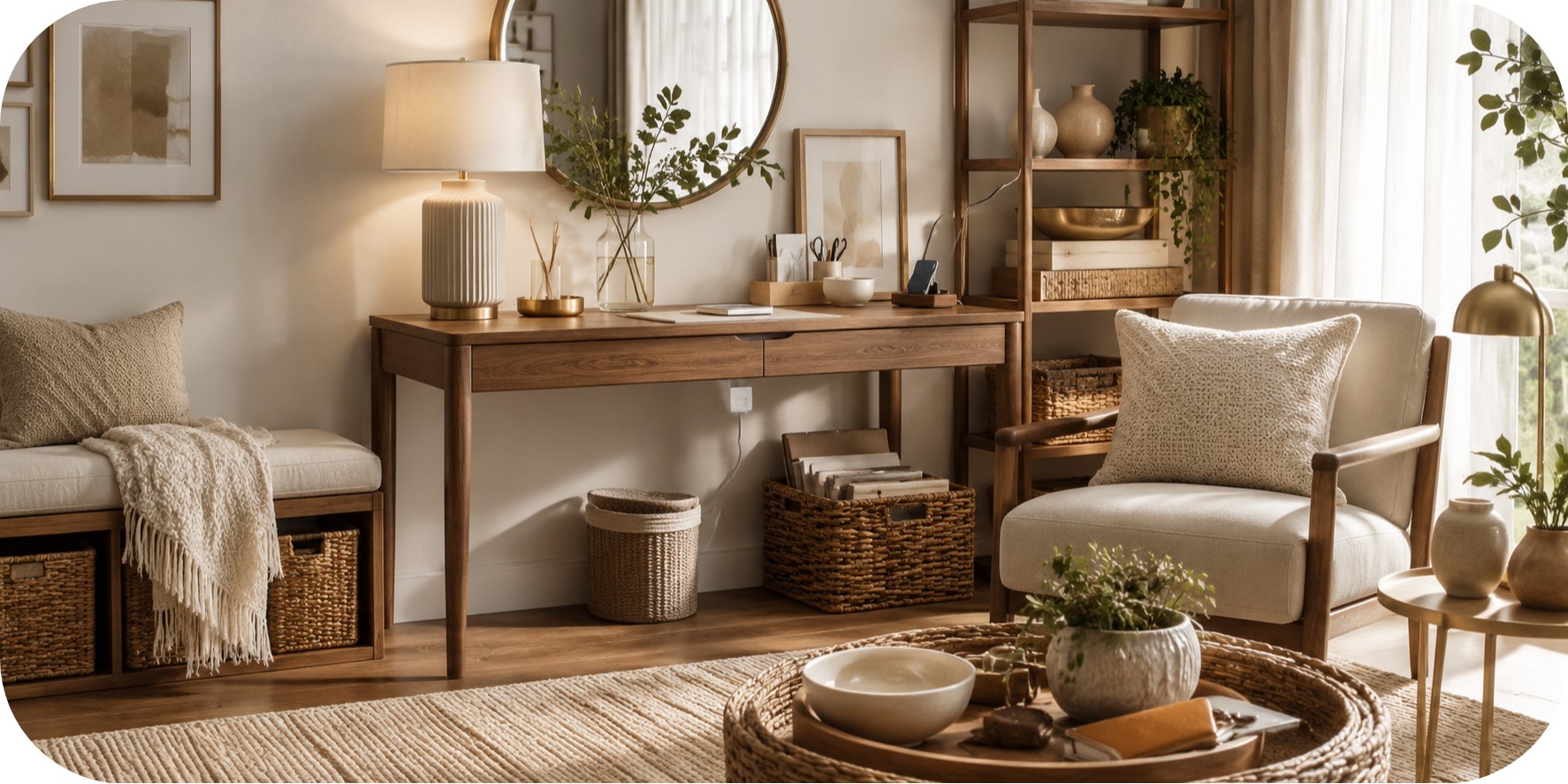
A small living room can feel tricky to style when every piece seems to take up valuable space. The goal isn’t to add more — it’s to make each choice feel intentional so the room opens up visually and feels easier to live in.
A well-styled small living room is completely achievable. With the right layout, a few balanced furniture pieces, and thoughtful layering, the space can feel open, calm, and comfortable without feeling empty.
What You’ll Need
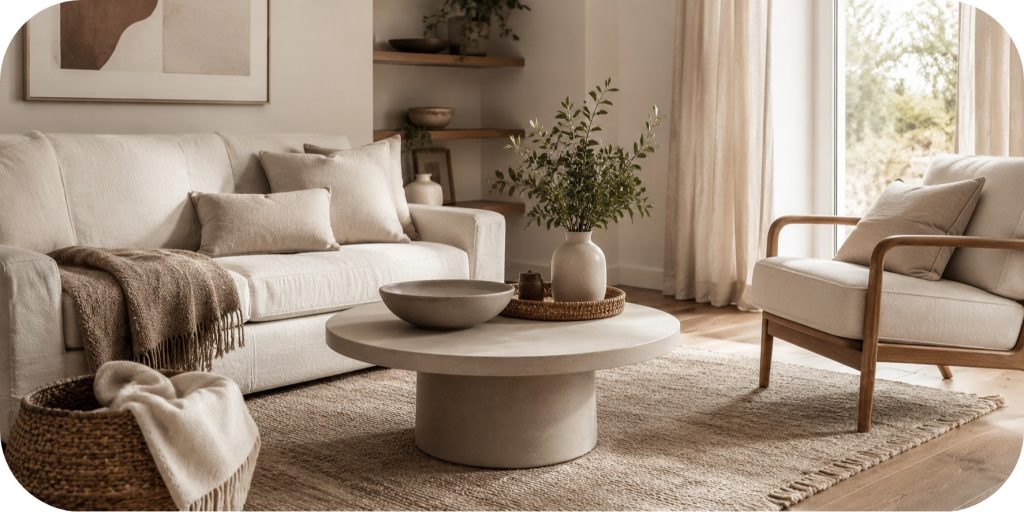
Compact Neutral Sofa — choose a smaller-scale sofa with clean lines, slim arms, and light upholstery to keep the room visually open
Lightweight Accent Chair — an armless or slim-frame chair helps balance seating without overwhelming the layout
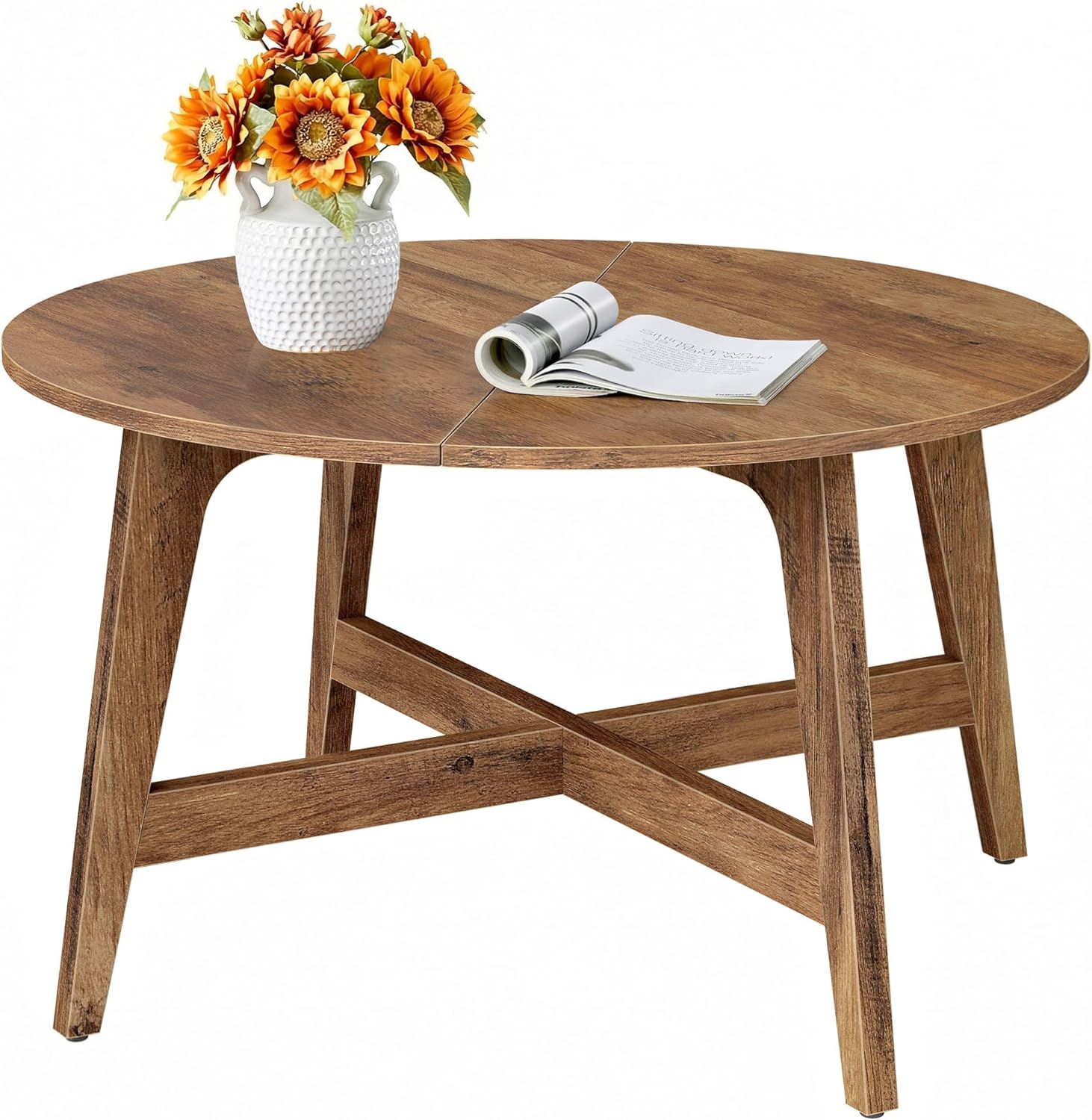
Round Coffee Table — a soft-edged table improves flow and makes movement easier in tight spaces
Large Area Rug — pick a rug big enough to anchor the seating area and visually connect all furniture pieces
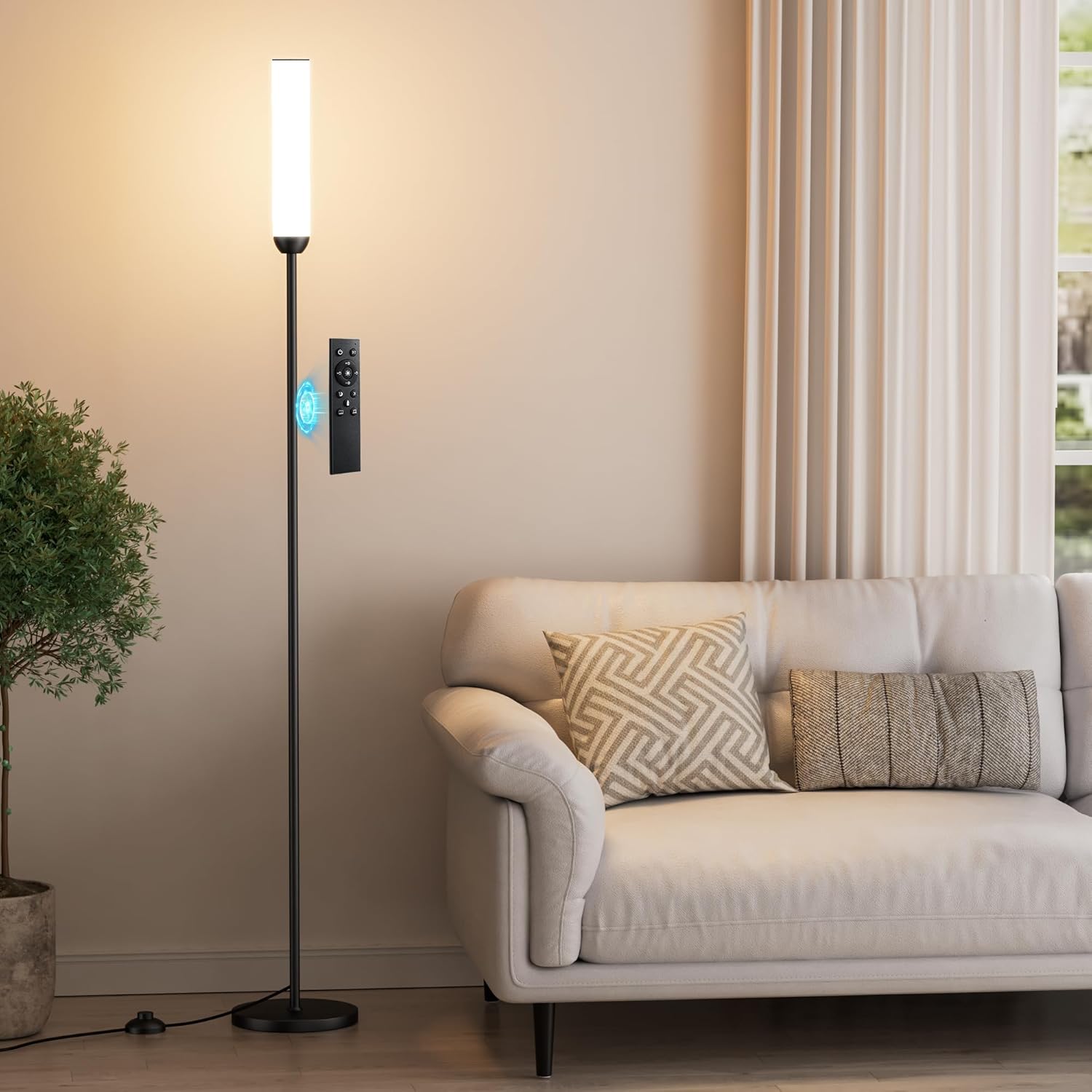
Slim Floor Lamp — a vertical lighting source that adds height without taking up surface space
Layered Table Lamp — ideal for side tables or consoles to create warm, low evening lighting
Minimal Wall Art Frames — simple, neutral artwork that adds personality without visual clutter
Multi-Use Storage Ottoman — provides hidden storage, extra seating, and a soft alternative to bulky furniture
Product Suggestions

Click Image To View
Click Image To View
Click Image To View
Before You Start
A few quick setup notes make the entire process smoother.
Start by clearing the room completely or as much as possible. It’s easier to see proportions without visual clutter getting in the way.
Measure your main wall length before placing furniture. Even a rough idea helps avoid oversized pieces that overwhelm the space.
Keep a simple rule in mind: fewer but better pieces will always work better in a small living room.
Step-by-Step
- Start with the sofa placement
Place the sofa against the longest wall or anchor wall. This creates a stable visual base and frees up walking space.
- Define the layout with a rug
Position an area rug so at least the front legs of the sofa sit on it. This pulls everything together visually.
- Add a single accent chair
Place the chair at an angle rather than flush against a wall. This creates depth without adding bulk.
- Set the coffee table
Choose a round or soft-edged table and keep it centered. Leave breathing room around it for movement.
- Layer lighting
Use a floor lamp in one corner and a table lamp on a side surface. This avoids harsh overhead lighting and adds warmth.
- Add wall art at eye level
Hang one or two framed pieces rather than filling the wall. Negative space helps the room feel larger.
- Introduce storage subtly
Use a storage ottoman or small basket to keep everyday items out of sight without adding visual noise.
- Style with restraint
Keep surfaces minimal — one tray, one vase, or one sculptural object is enough.
- Step back and adjust spacing
Small shifts matter more than extra décor. Adjust spacing between pieces so nothing feels cramped.
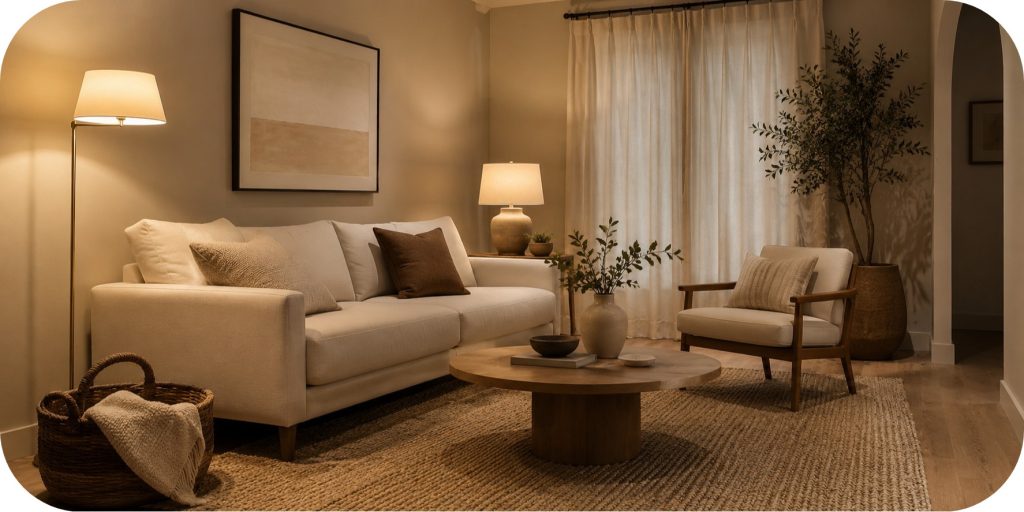
Common Mistakes (and Fixes)
If the room feels cramped, reduce furniture size rather than removing styling pieces
If the layout feels off-balance, shift the rug or coffee table slightly to re-center the space
If the room feels flat, add a second light source instead of more décor
If everything feels pushed to the walls, pull furniture inward to create a conversation zone
If it feels cluttered, remove one item from each surface rather than adding storage
Variations to Try Next
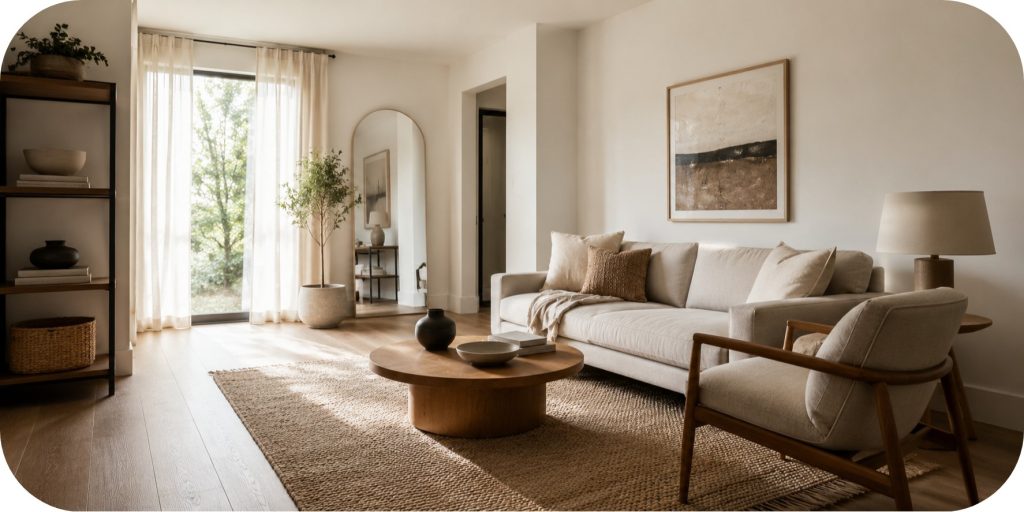
Soft Minimal Look — use light wood, cream tones, and linen textures for a calm, airy feel
Warm Layered Look — add darker neutrals, boucle fabric, and warm lighting for depth
Compact Social Layout — angle seating slightly inward to encourage conversation flow
Open Flow Layout — keep furniture closer to walls to maximize walking space
Textural Focus Style — use fewer objects but richer materials like woven baskets and stone décor
Finishing Touches
Once everything is in place, focus on small refinements instead of adding more.
Straighten cushions, adjust lighting direction, and clear surfaces down to one or two intentional objects. Small adjustments make the space feel finished without adding visual weight.
Step back and look at the room as a whole rather than individual pieces. If it feels balanced and easy to move through, you’re done.
A small living room doesn’t need more — just the right placement and a bit of breathing room.